Choosing the right sewing machine can seem difficult, especially if you are buying one for the first time. With so many models, features, and prices available, it is important to think about how you plan to use the machine before making a decision. The best machine is not necessarily the most expensive one, but the one that matches your sewing needs, experience, and budget.
Consider Your Sewing Experience
If you are new to sewing, a sewing machine for beginners is usually the best place to start. Look for a machine with simple controls, an easy threading system, and essential stitches such as straight and zigzag stitches. Automatic needle threading and adjustable stitch length can also make learning easier.
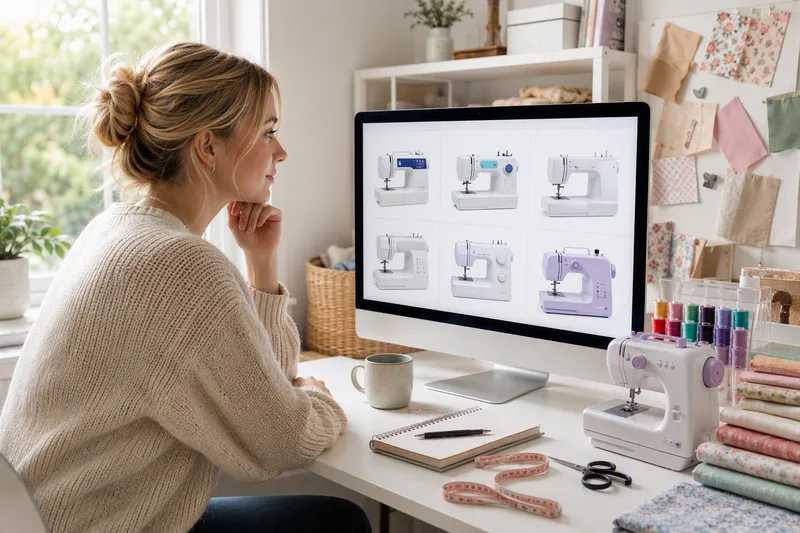
More experienced users may want additional stitches, adjustable presser-foot pressure, a larger working area, or specialized functions for quilting and decorative sewing.
Think About What You Want to Sew
The type of projects you plan to make should influence your choice. Lightweight fabrics such as cotton and linen can be handled by most basic machines. If you plan to work with denim, canvas, or multiple layers of fabric, look for a stronger machine designed for heavier materials.
If you are specifically looking for a sewing machine leather projects, check the manufacturer’s specifications carefully. Leather requires an appropriate needle, thread, and presser foot, and some domestic machines are not designed to handle thick leather reliably.
Mechanical or Computerized?
Mechanical machines generally have straightforward controls and can be an excellent option for beginners who prefer simplicity. Computerized machines offer more stitch options and convenient features, such as automatic needle positioning and speed control.
Neither type is automatically better. Consider whether you value simplicity or additional features when making your decision.
Check Maintenance Requirements
Before buying, consider how easy the machine will be to maintain. Regular cleaning helps prevent lint and dust from affecting performance. Some machines may also require occasional sewing machine oil, while others are designed to operate without user lubrication.
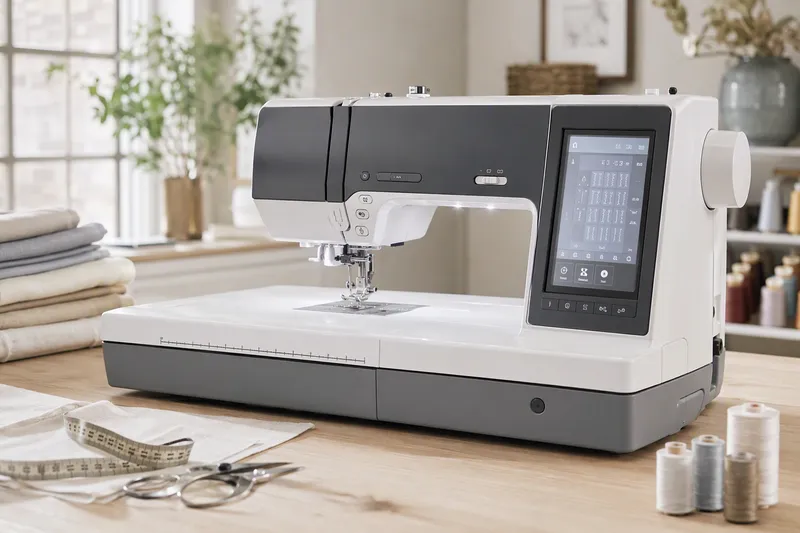
Always follow the manufacturer’s recommendations rather than applying oil unnecessarily.
It is also useful to check whether commonly needed sewing machine parts are readily available. Needles, bobbins, presser feet, and other accessories may eventually need replacing.
Read the Sewing Machine Manual
A good sewing machine manual is extremely valuable, particularly for beginners. It explains how to thread the machine, install the bobbin, adjust settings, change needles, and perform recommended maintenance.
Before purchasing, check whether the manufacturer provides a clear and accessible manual.
Consider Future Repairs
Even a well-maintained machine may eventually require sewing machine repair. Before buying, check whether replacement parts and qualified technicians are available for the model you are considering.
Finally, compare prices, warranties, included accessories, and customer reviews. Take your time and choose a machine based on your actual sewing requirements rather than simply choosing the model with the most features.
A well-chosen sewing machine should be easy to use, suitable for your projects, and capable of growing with your skills.